

SHAPED BY SEASONS
Grass. Corn Stalks. Heat. Cold.
The Ranch
Kunert Cattle Company operates from a small grass-based farm in Southeast Nebraska.
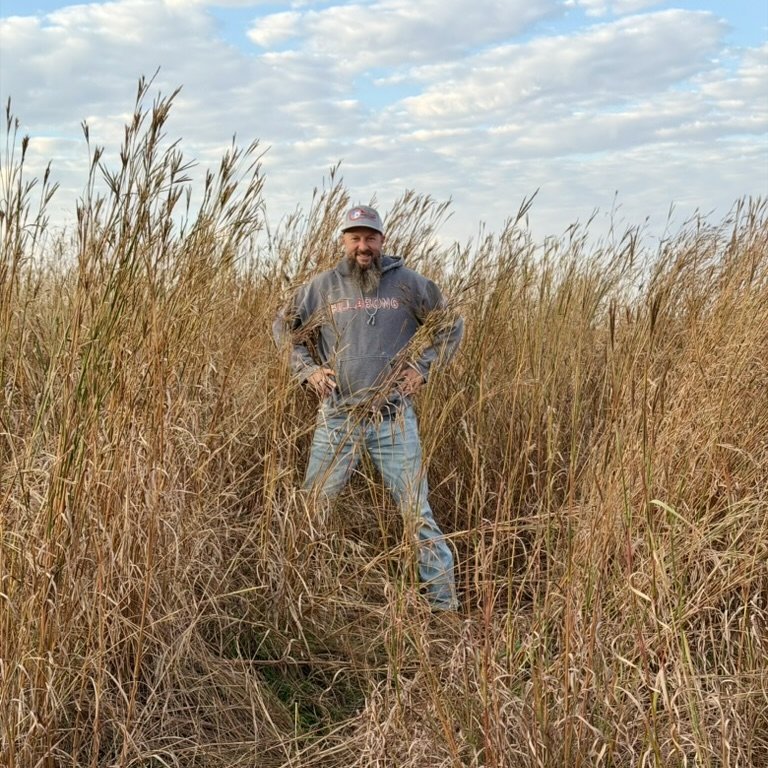
Portions of the home place were converted from crop ground to perennial pasture beginning in 2016. Today the farm supports a mix of warm-season native grasses and cool-season brome, with additional leased pasture and seasonal corn residue supporting the herd.
The program is shaped more by selection pressure than by scale.

Grass Through the Growing Season
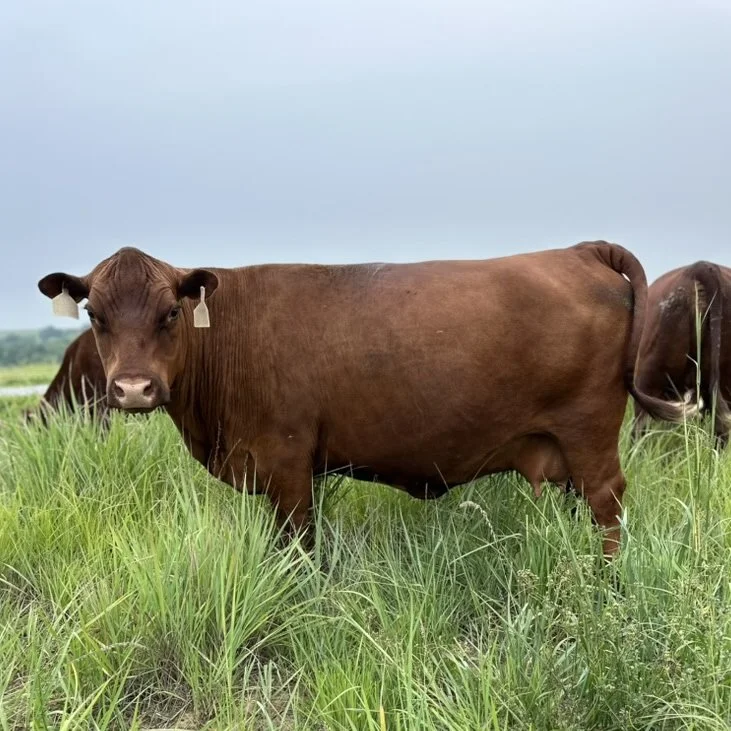
During the grazing season, cattle run on perennial pasture and are rotated across paddocks as conditions dictate.
Calving begins in mid-April within a defined 45-day window. Breeding aligns accordingly in early July.
Pairs remain on grass throughout the growing season. The goal is steady production without excessive input, allowing cows to maintain condition while raising functional calves.
Management is practical rather than rigid. The focus remains on cattle performance and pasture health — not grazing theory.

Corn Stalks Through the Winter
Winter grazing relies heavily on corn residue and cover crops when available.
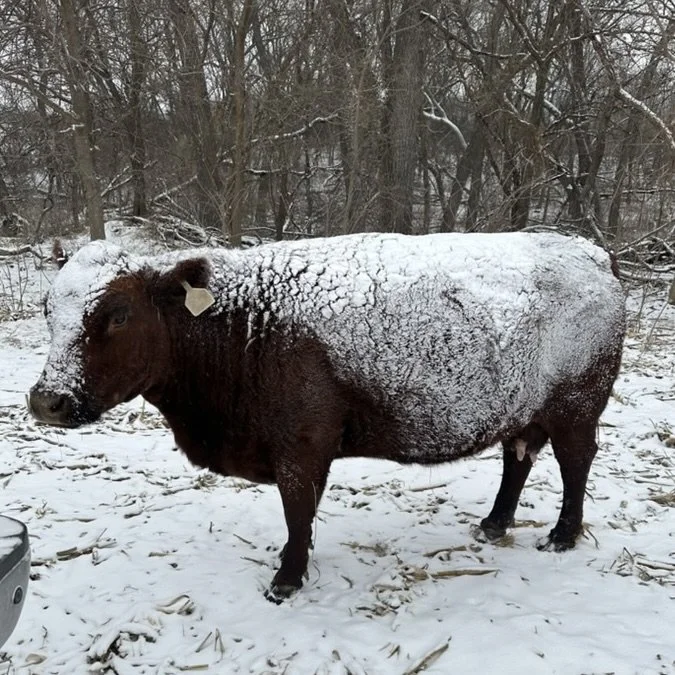
Cows and calves remain together, grazing residue through cold and wind. Creek lines and tree-lined draws provide natural protection. Water is often hauled during winter months — labor offset by reduced dependence on harvested feed.
Exposure to fluctuating feed quality and winter conditions reinforces durability. The same cows that calve in April are expected to handle Nebraska winters without special treatment.
The system is structured but uncomplicated.

Environmental Reality in Southeast Nebraska
Summers are hot and humid. Winters are cold and windy. Weather is rarely neutral.
Heat stress, mud, wind, ice, and forage variation are part of the annual cycle. These conditions are not avoided — they are allowed to shape the herd.
Cattle that remain productive under these realities earn their place.
Over time, the environment refines the cow herd as much as intentional selection does.
THE RANCHER
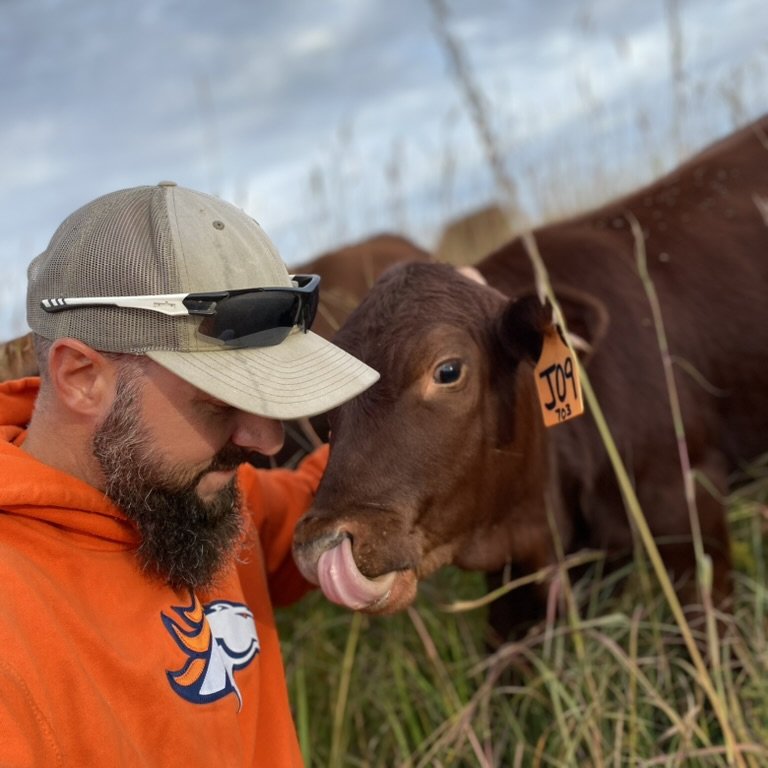
I’m Josh Kunert.
I built Kunert Cattle Company from the ground up on a small Nebraska grass farm, raising South Poll seedstock that are moderate, durable, and adapted to Midwest conditions.
The program was shaped in part by frustration with the idea that bigger always means better. Over time, I’ve found that fertility, structure, and longevity matter far more than scale or flash.
The focus has remained steady from the beginning: cull early, select patiently, and let time prove the cows.
This is long-game work — measured in years, not seasons.
Learn more about the cattle and the philosophy guiding the program: